 I View larger
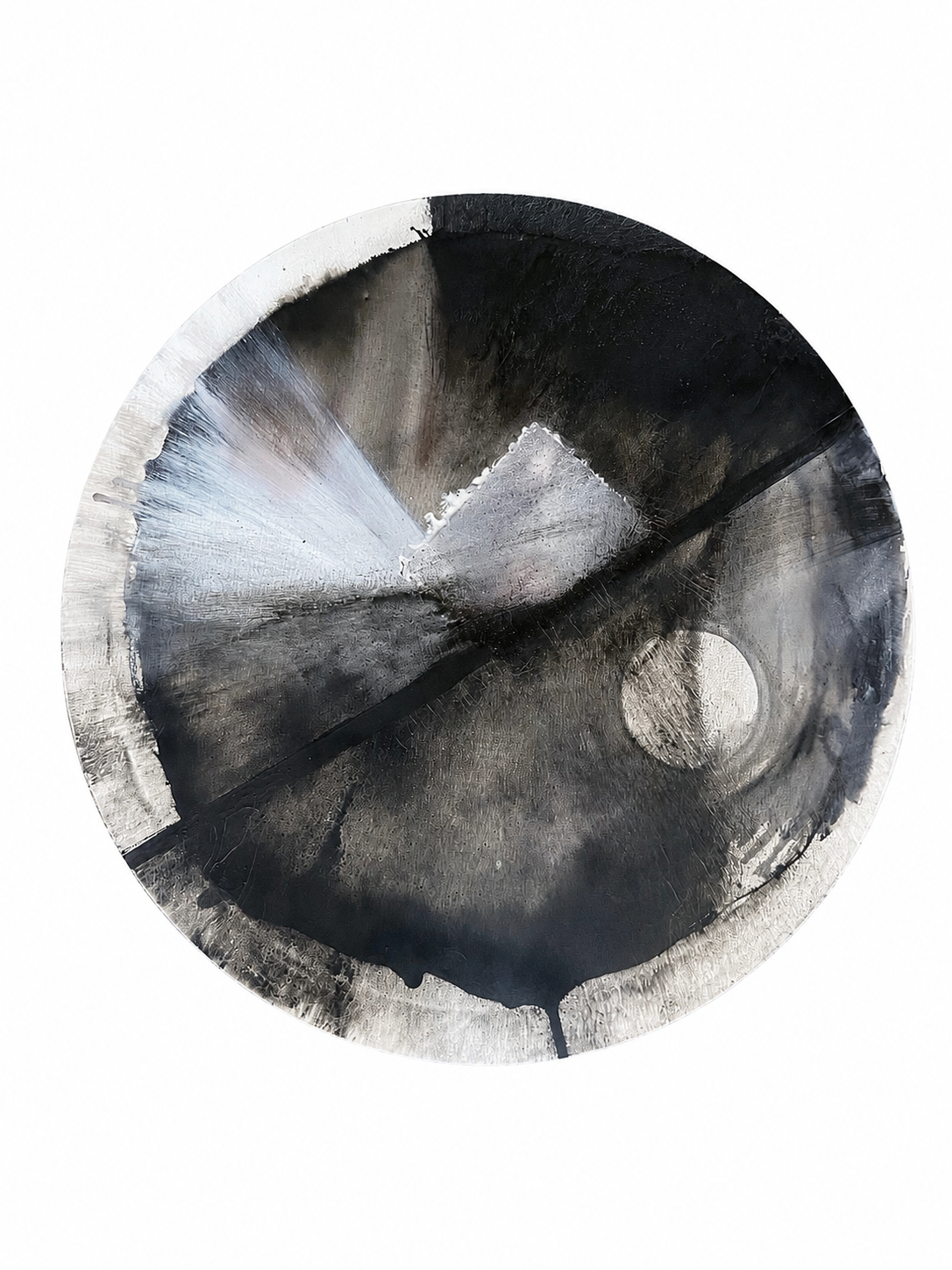
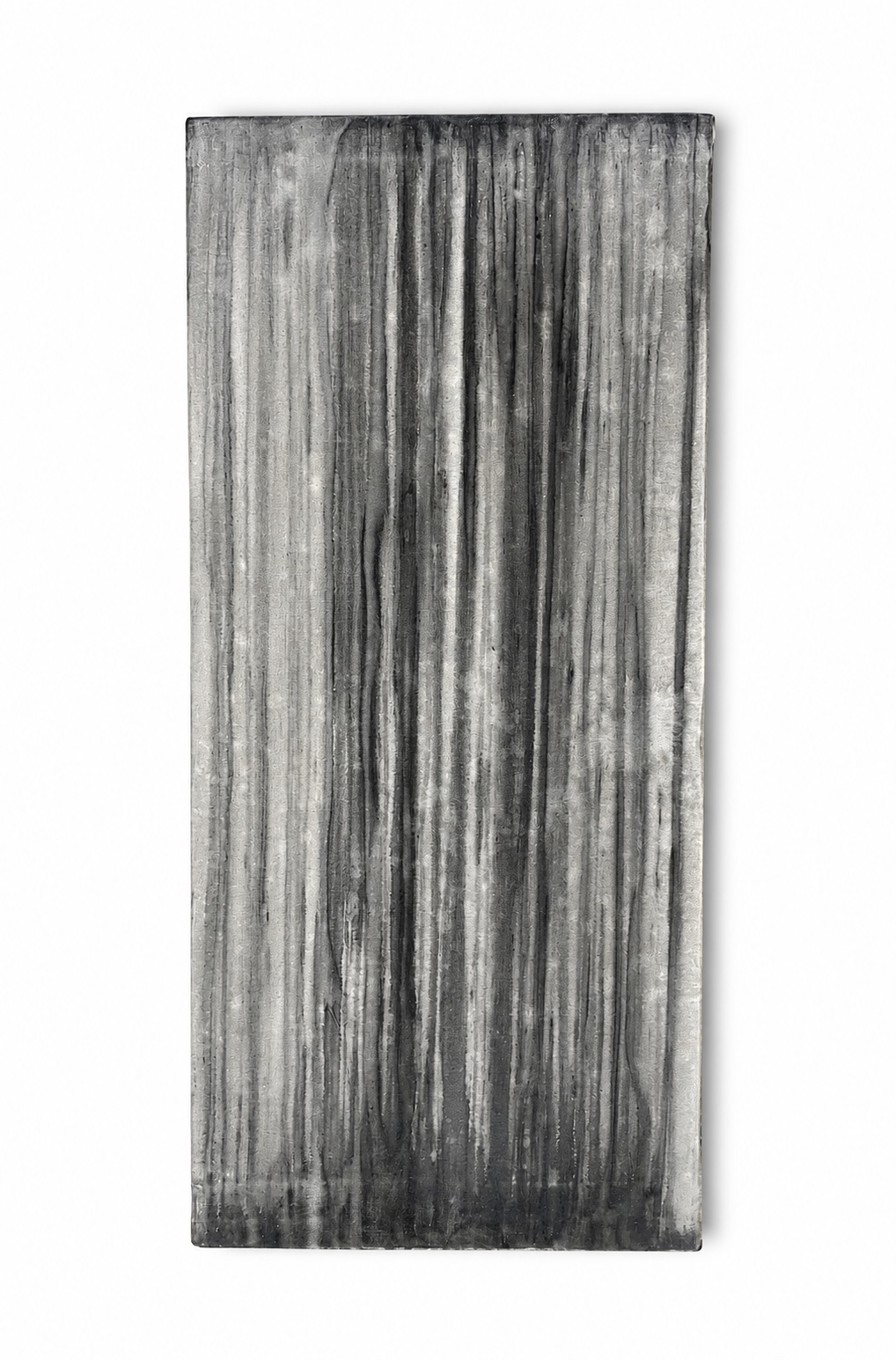
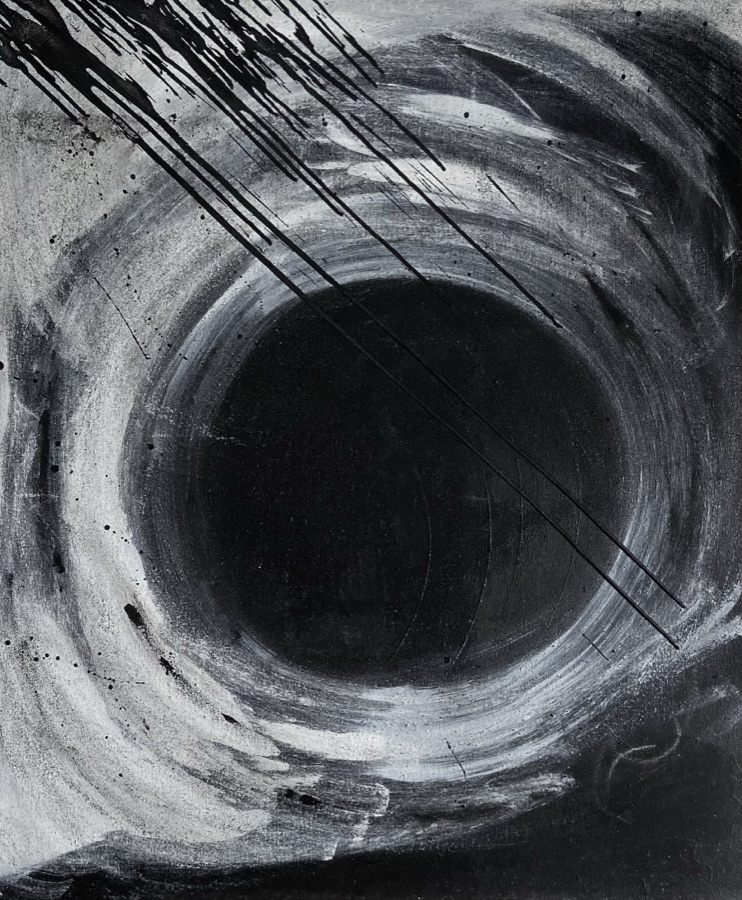
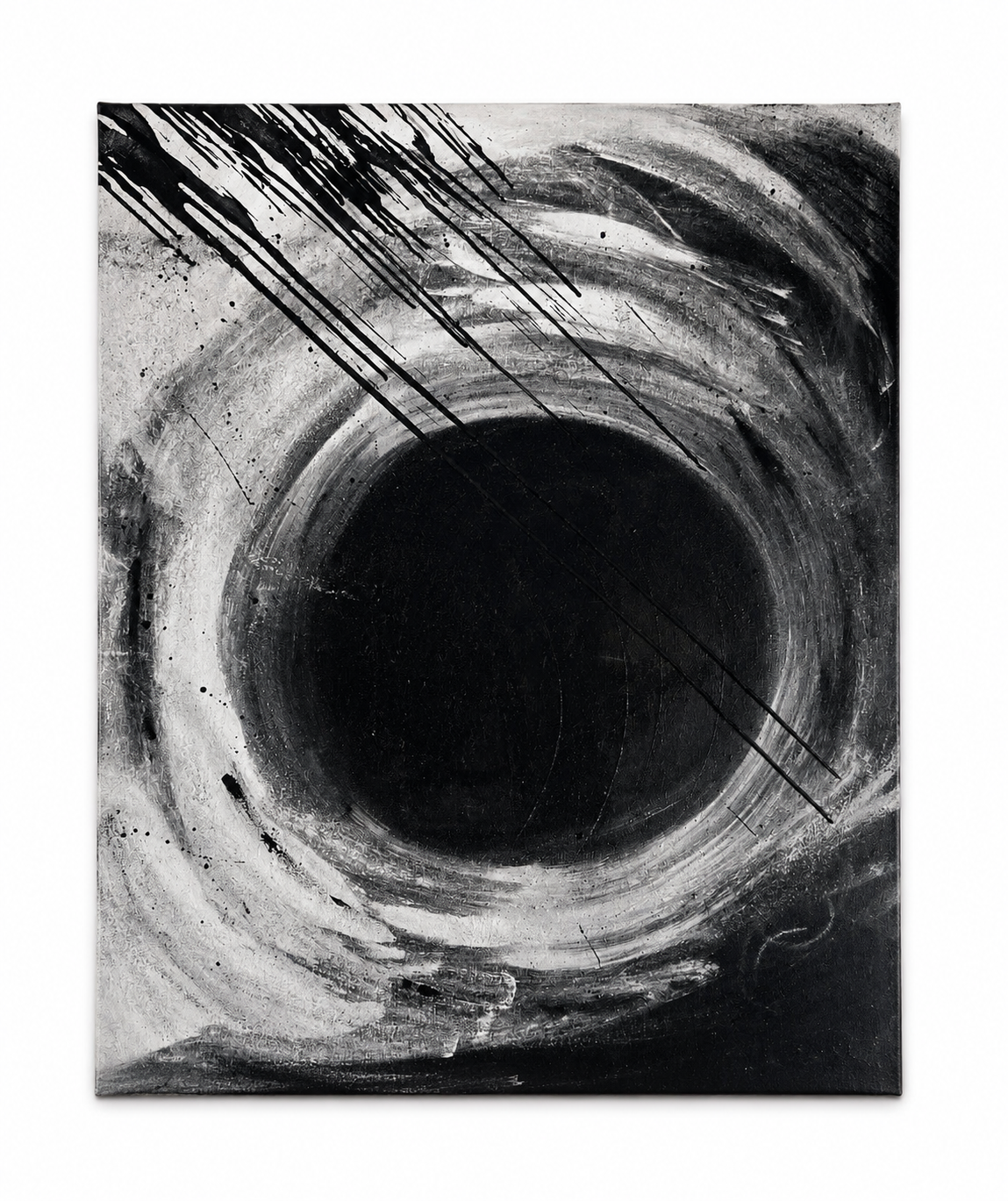
 Luna-Nera (Portal)
Florence Dassonville
- Year
- 2026
- Materials
- Wax, lapis lazuli, tourmaline & acrylic on canvas
- Dimensions
- 1m x 85 cm
- Price
- £250
Pigment, pulse and phōs
Exhibition presenting light as language - reading the signals that pass between nature, the body, and technology.
Exhibited
16–18 July 2026 House of Annetta · Spitalfields
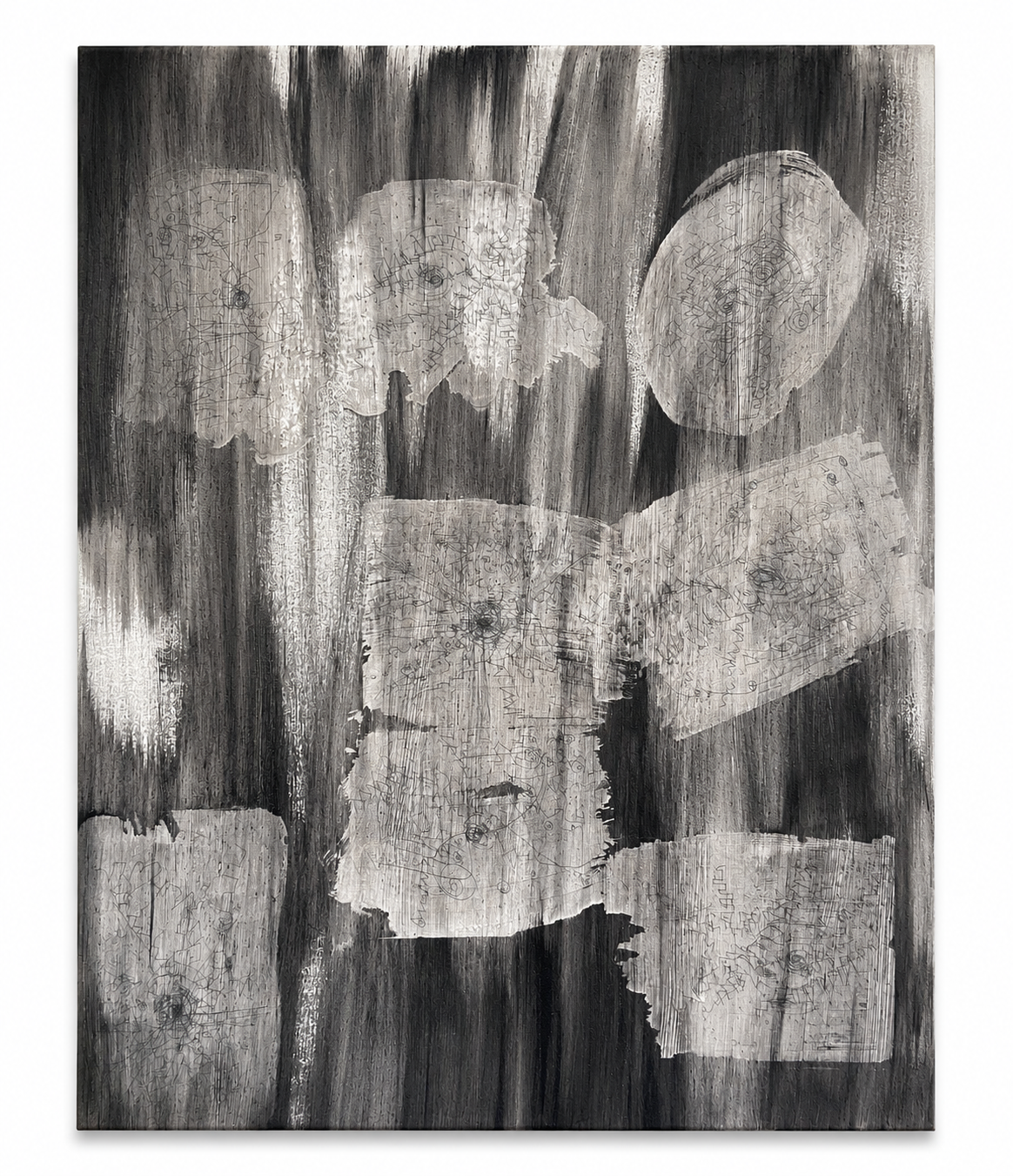
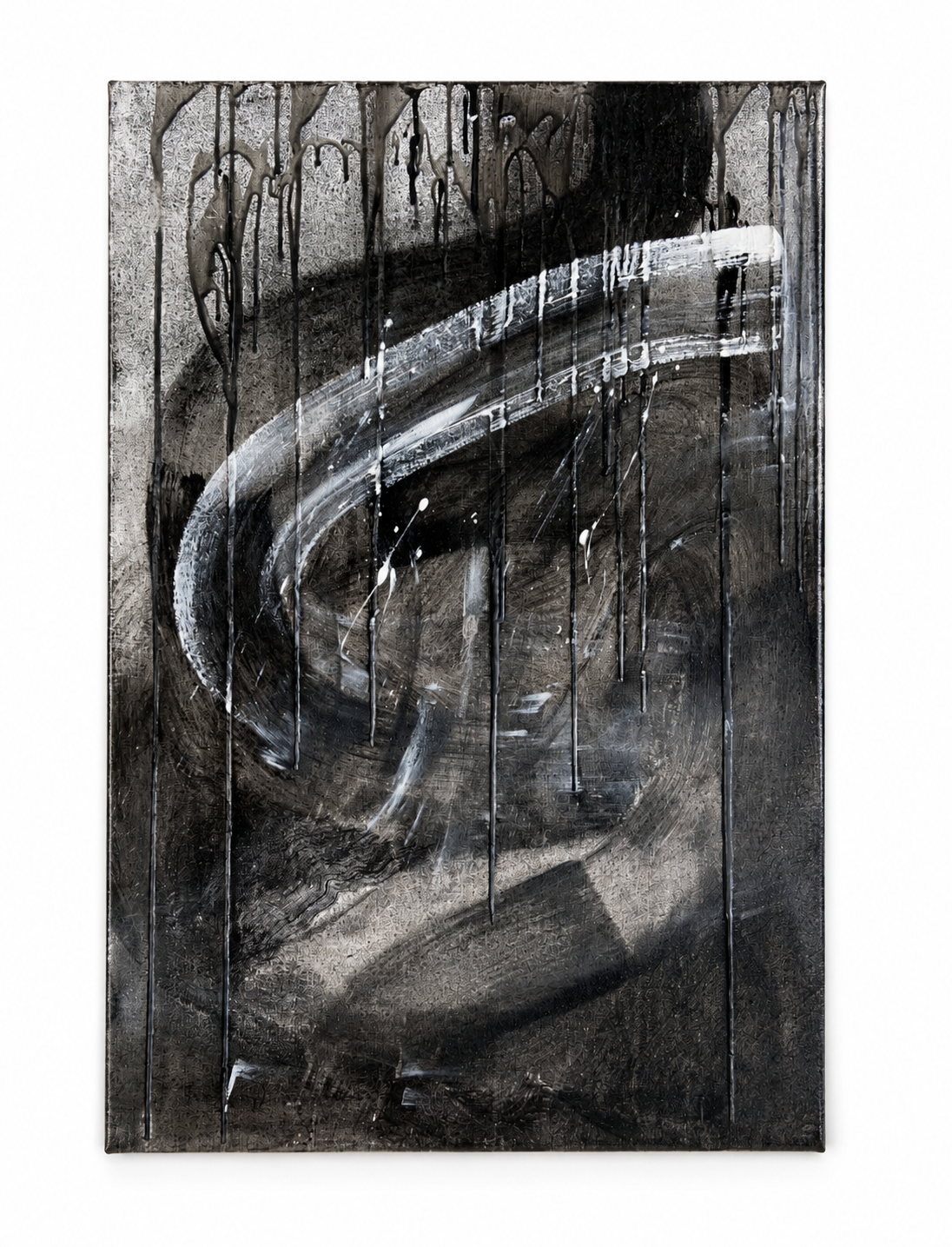
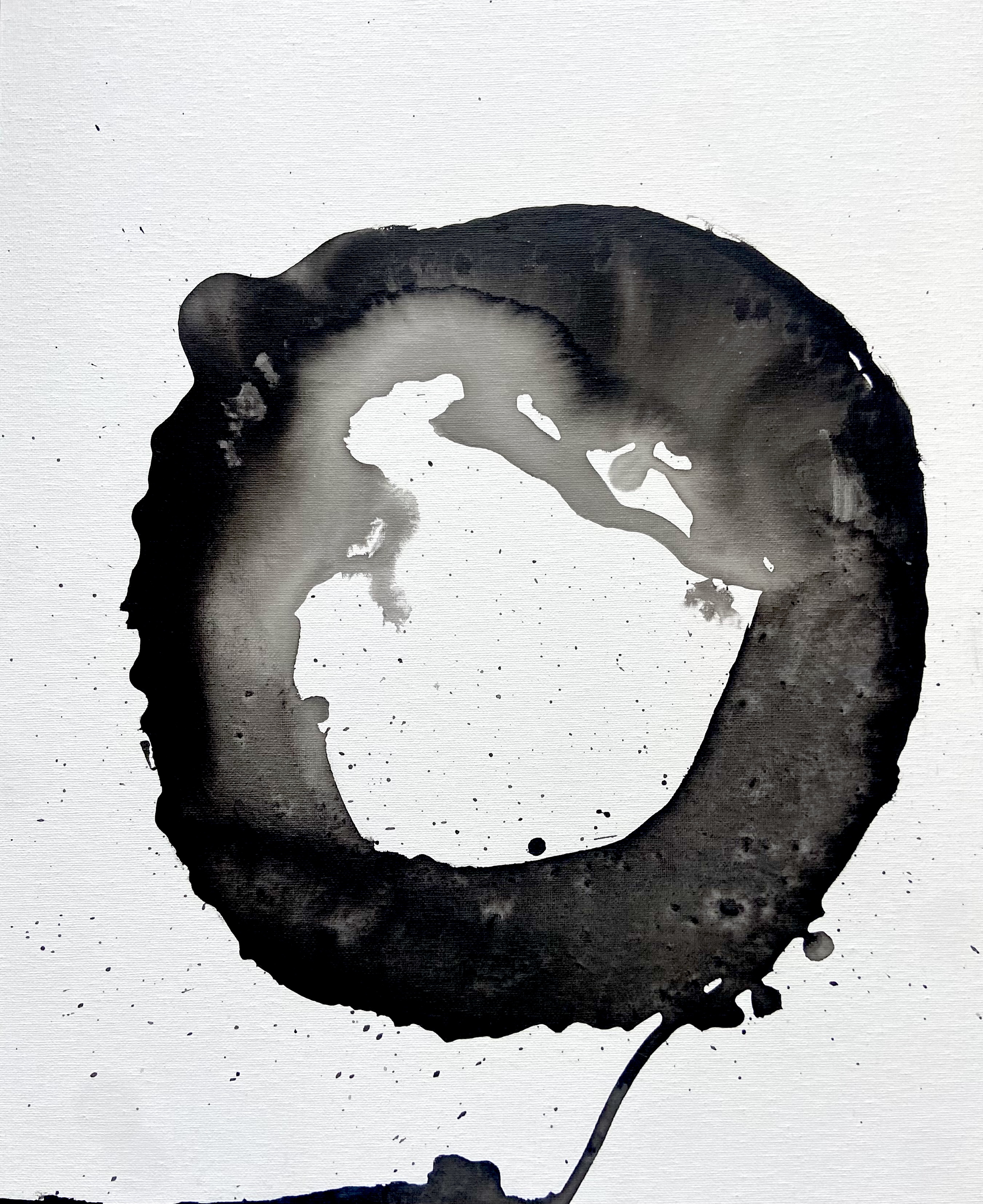
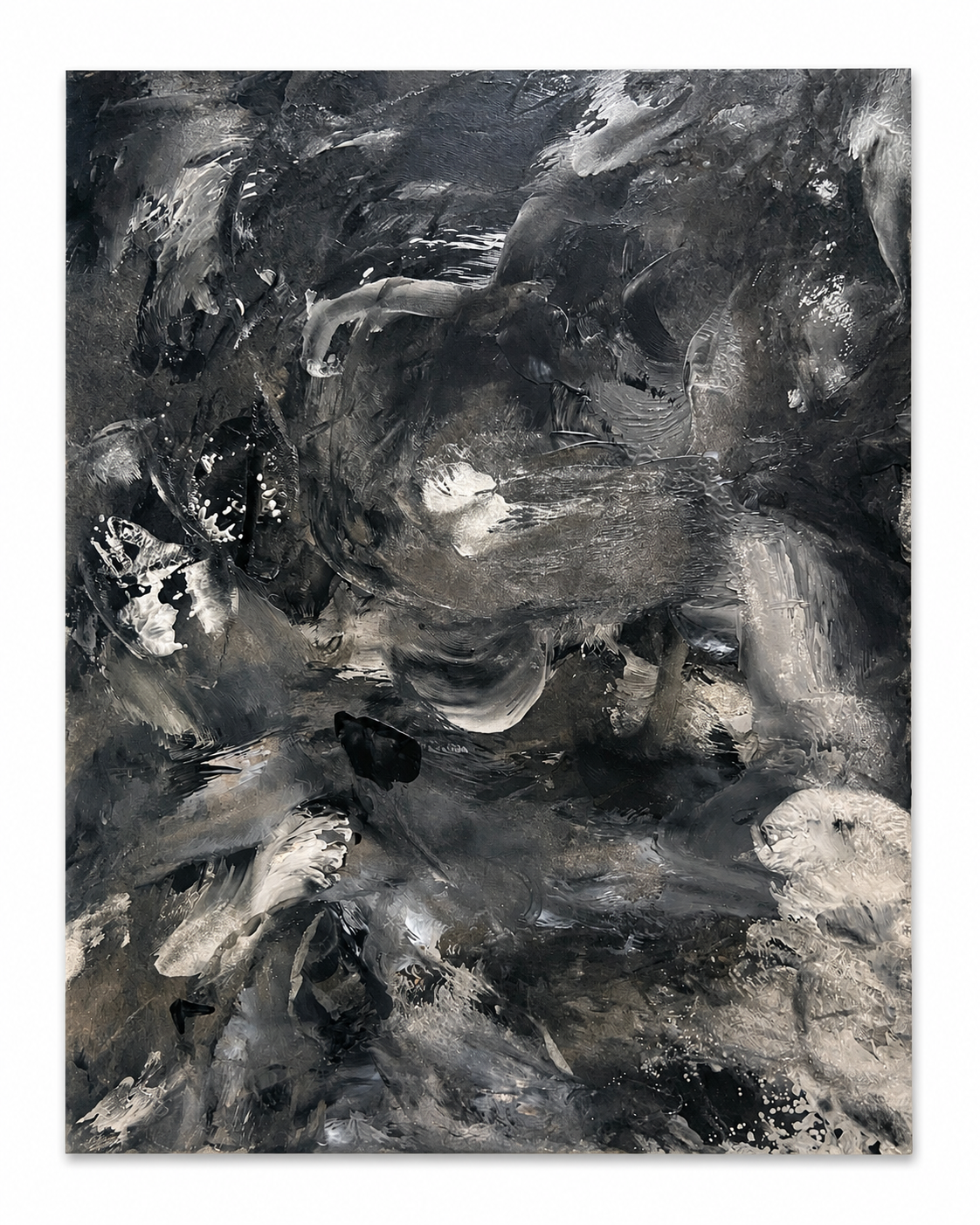
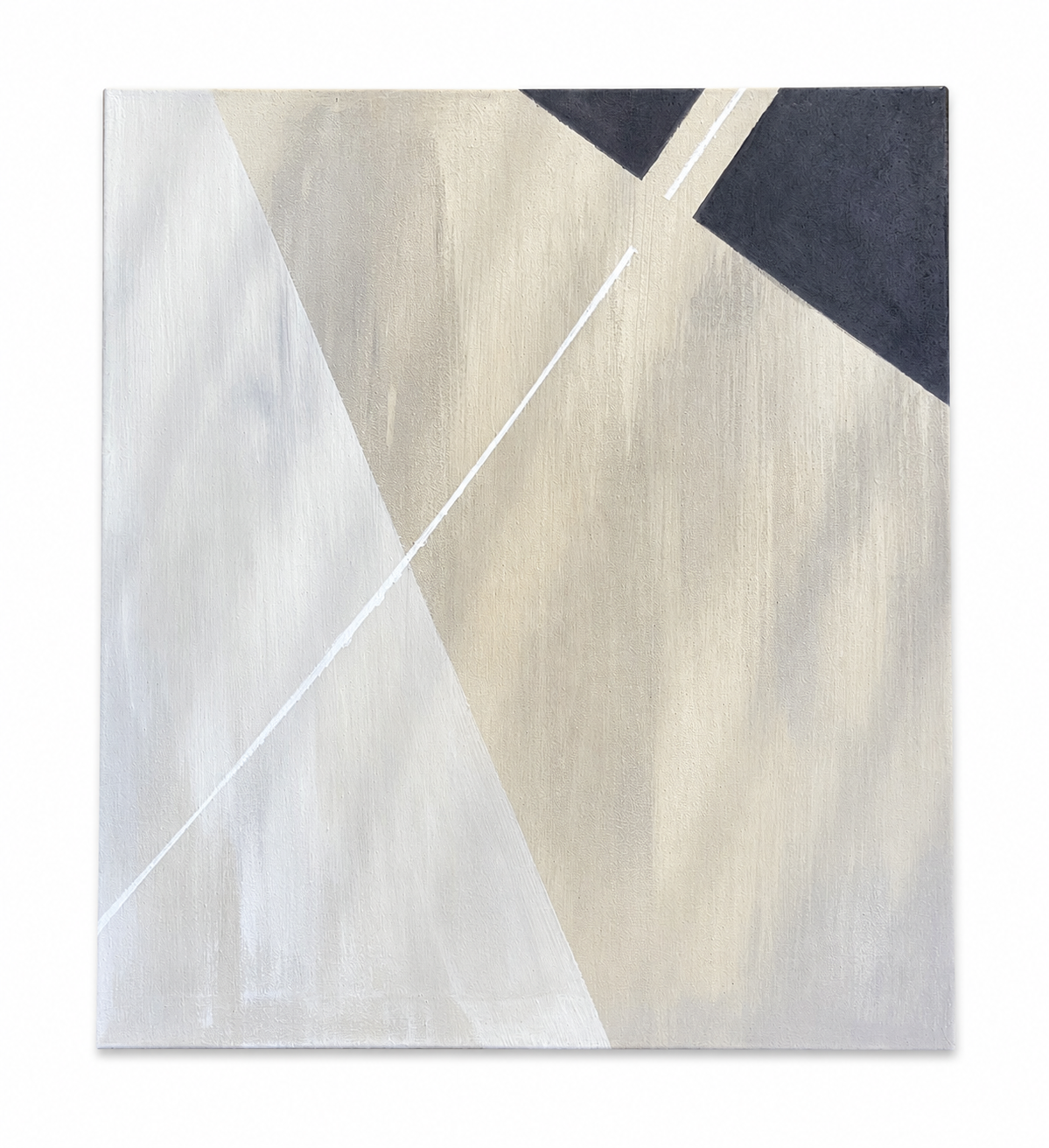
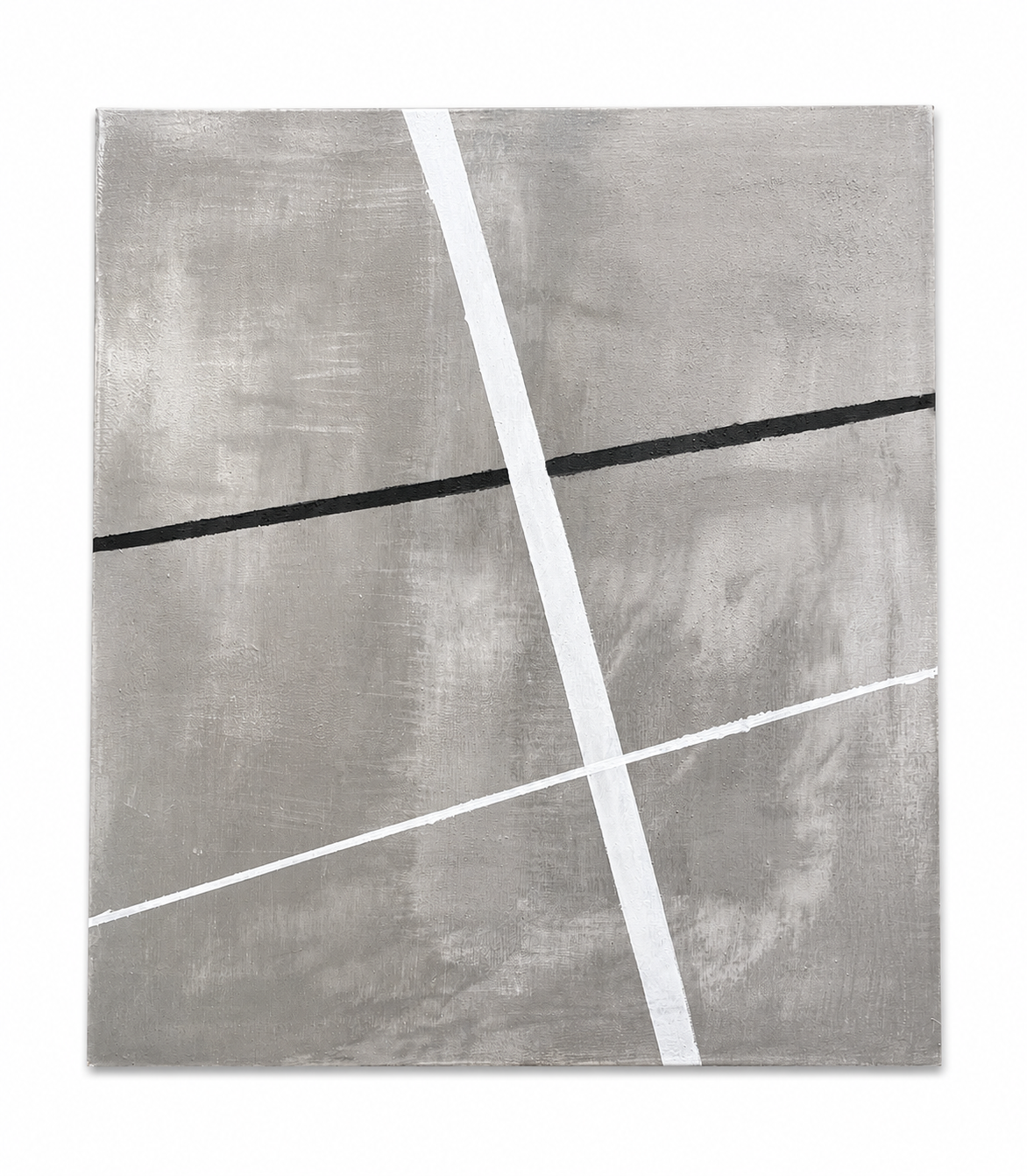
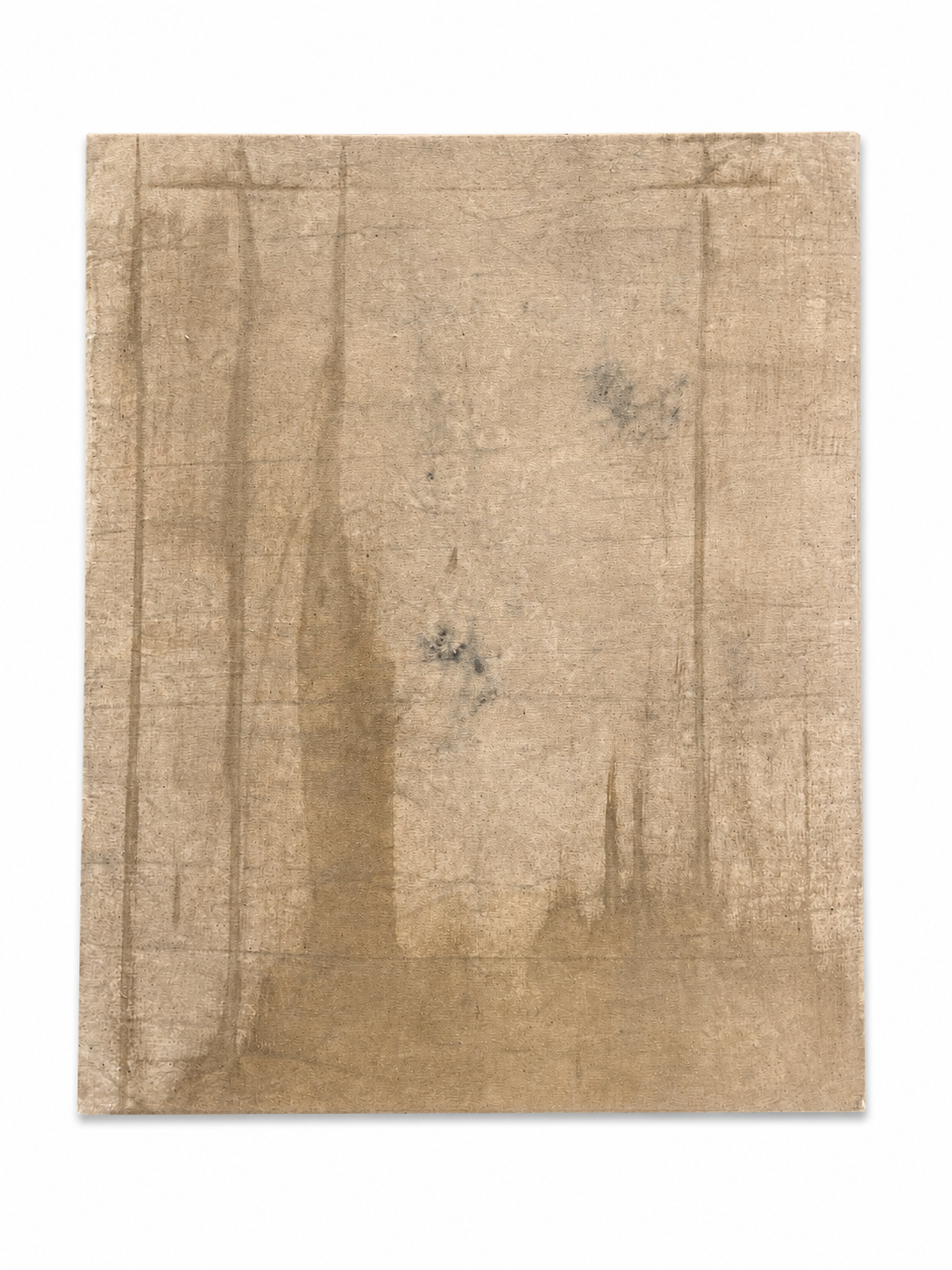
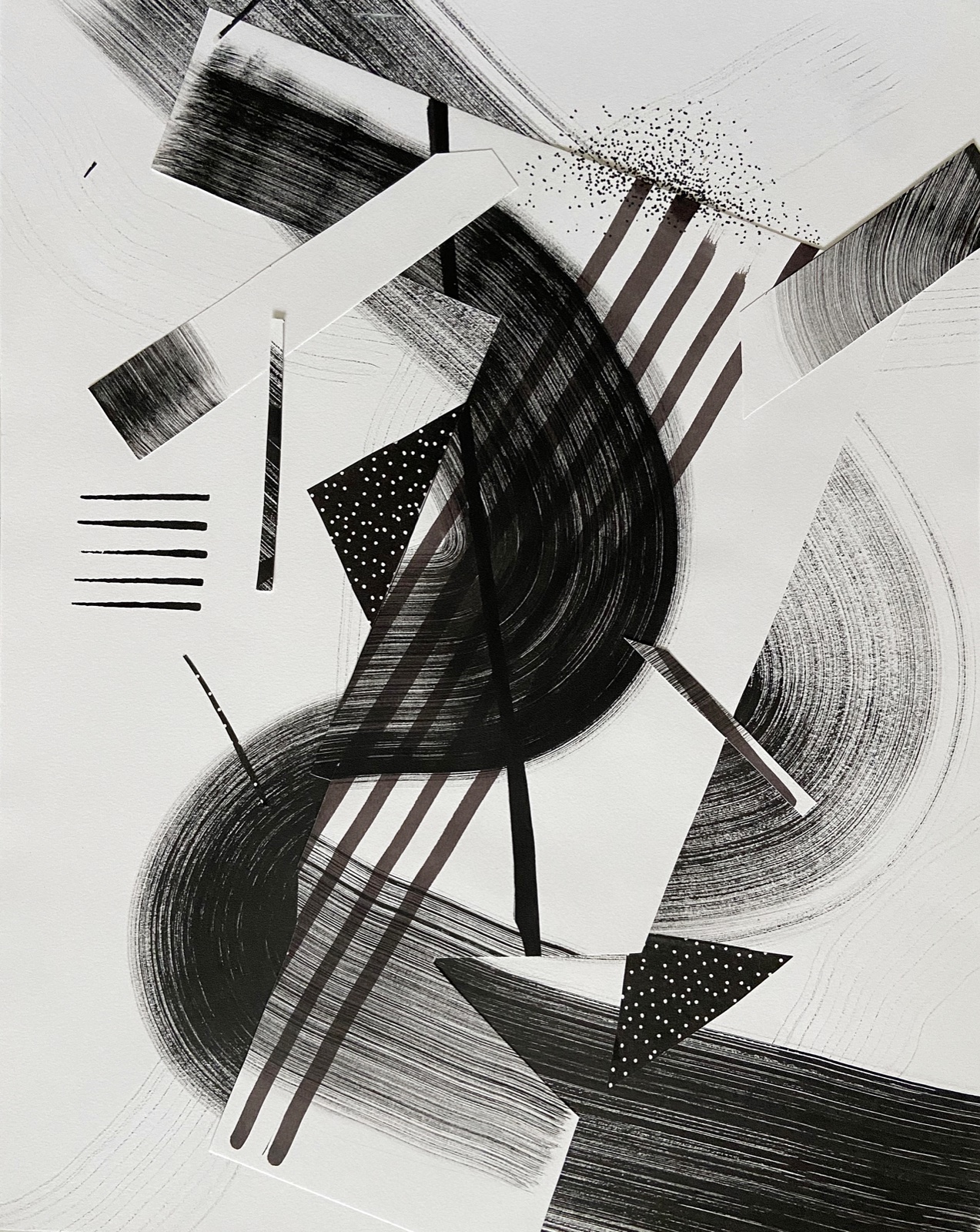
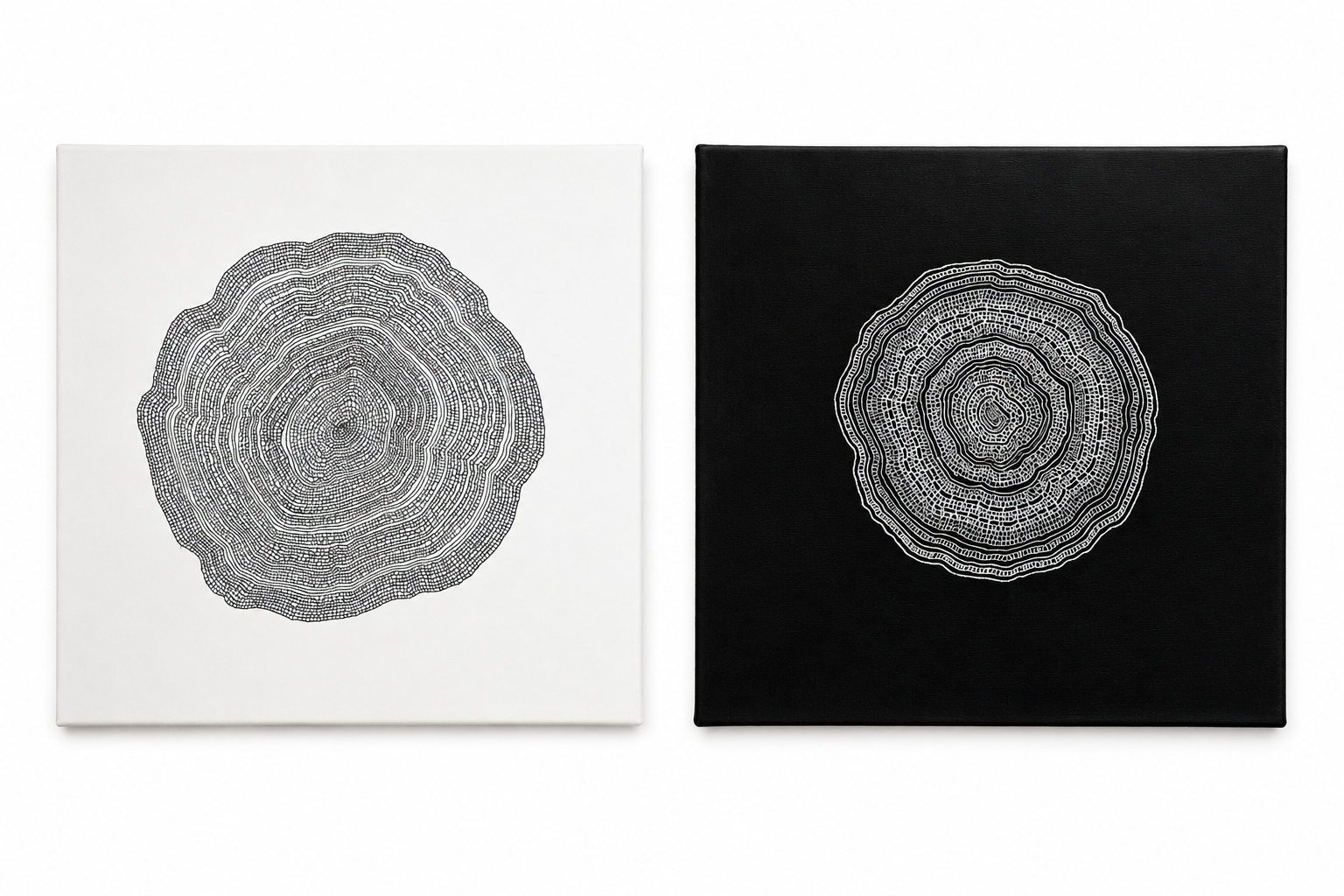
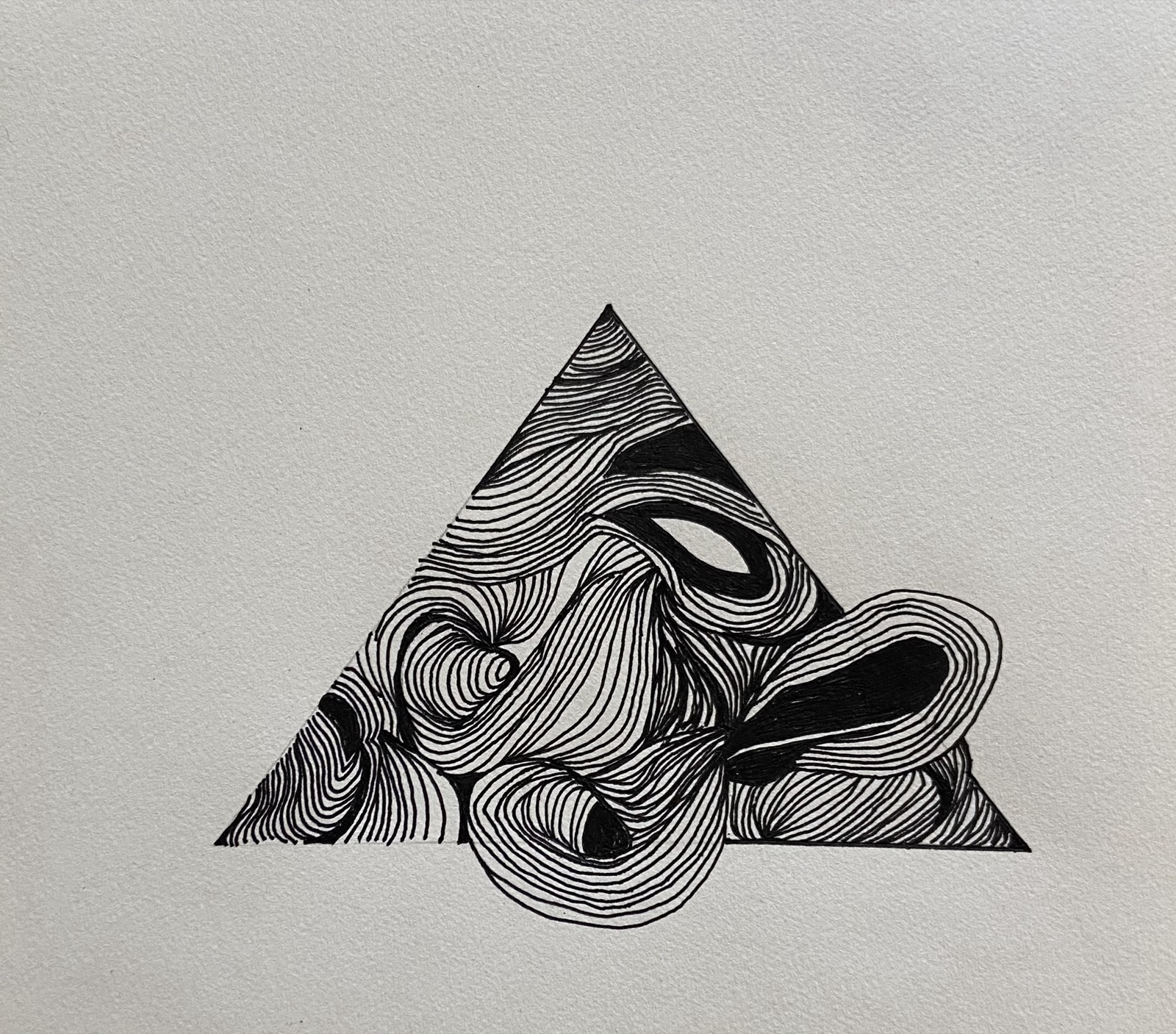
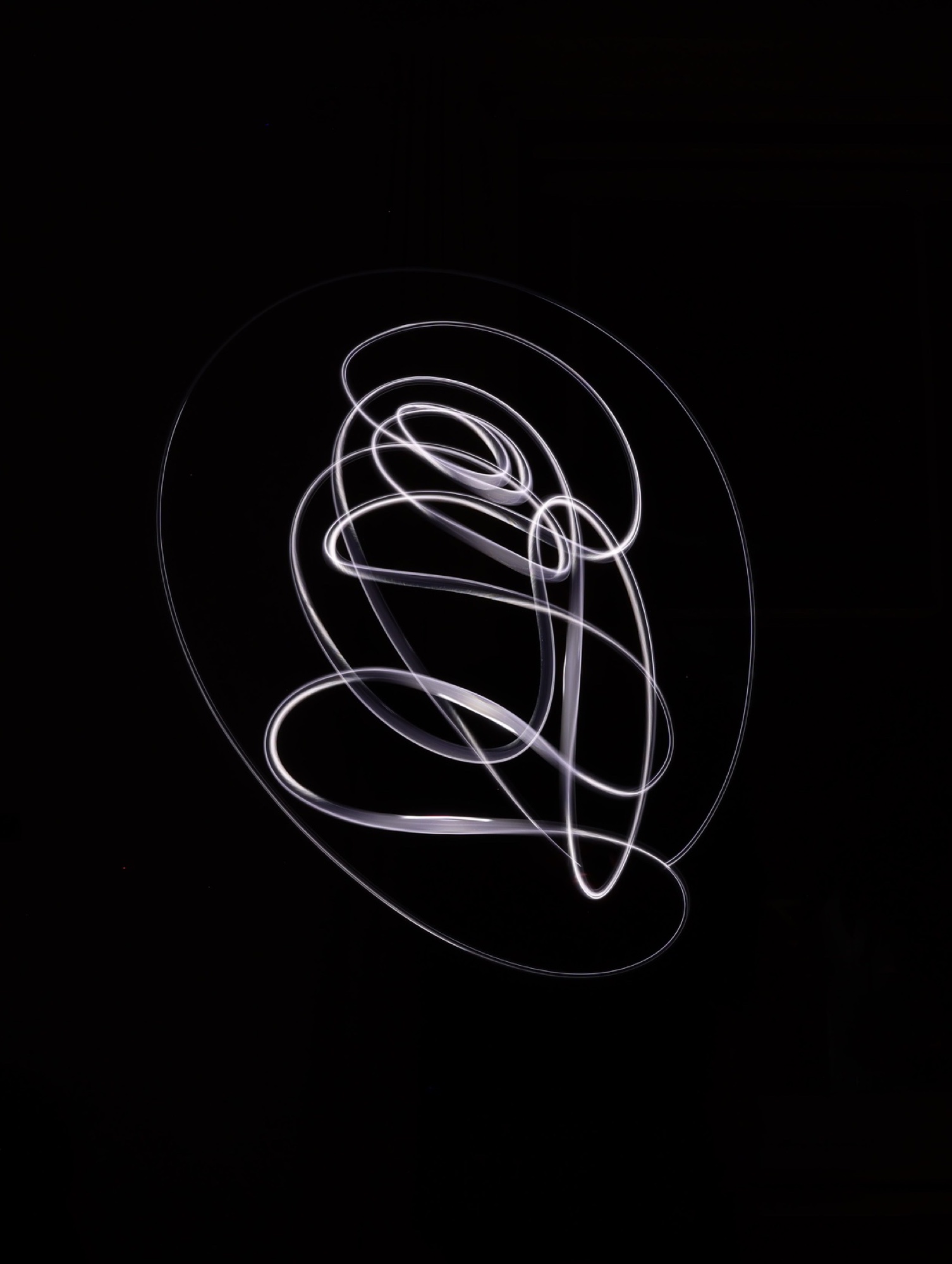
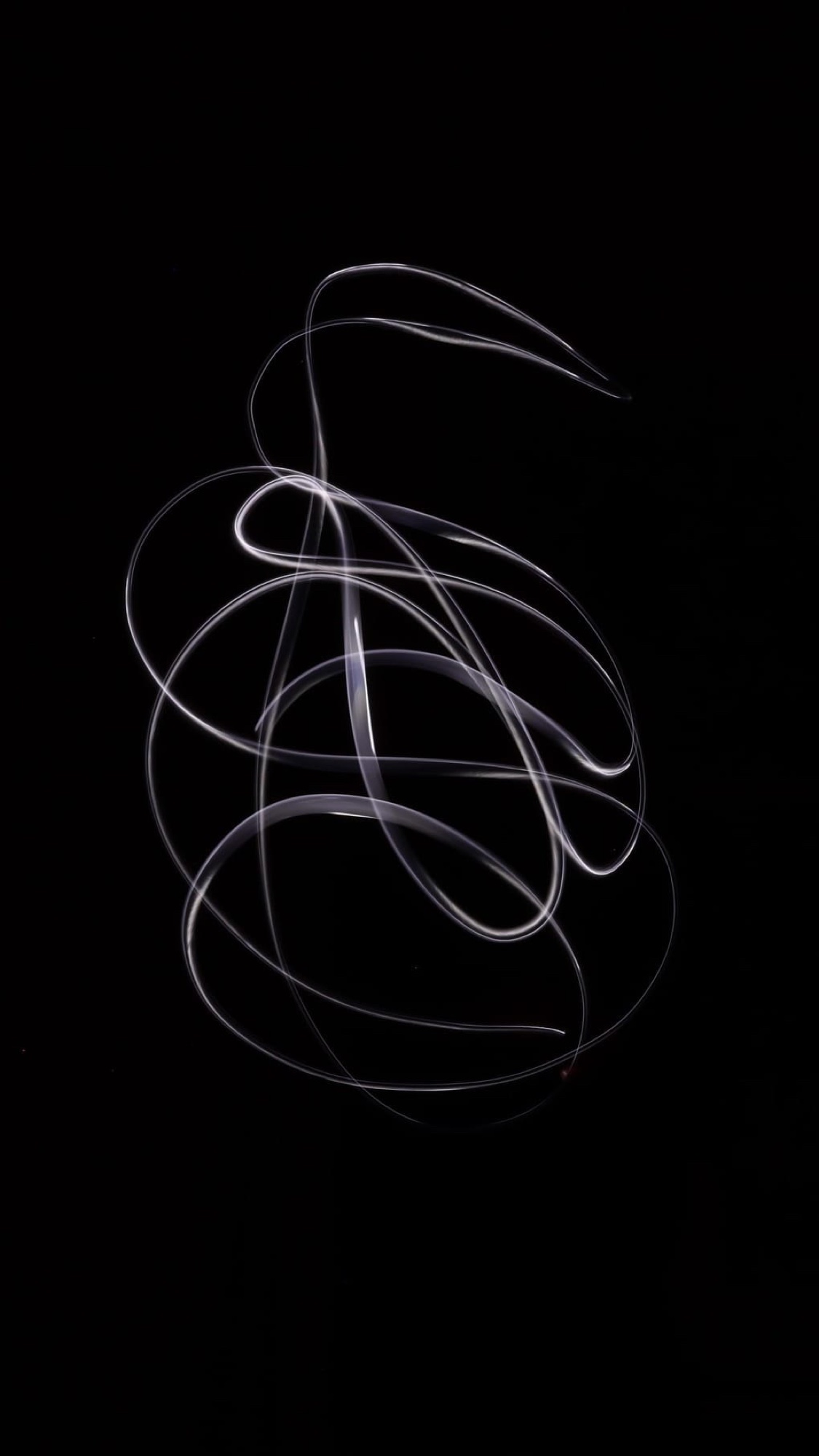
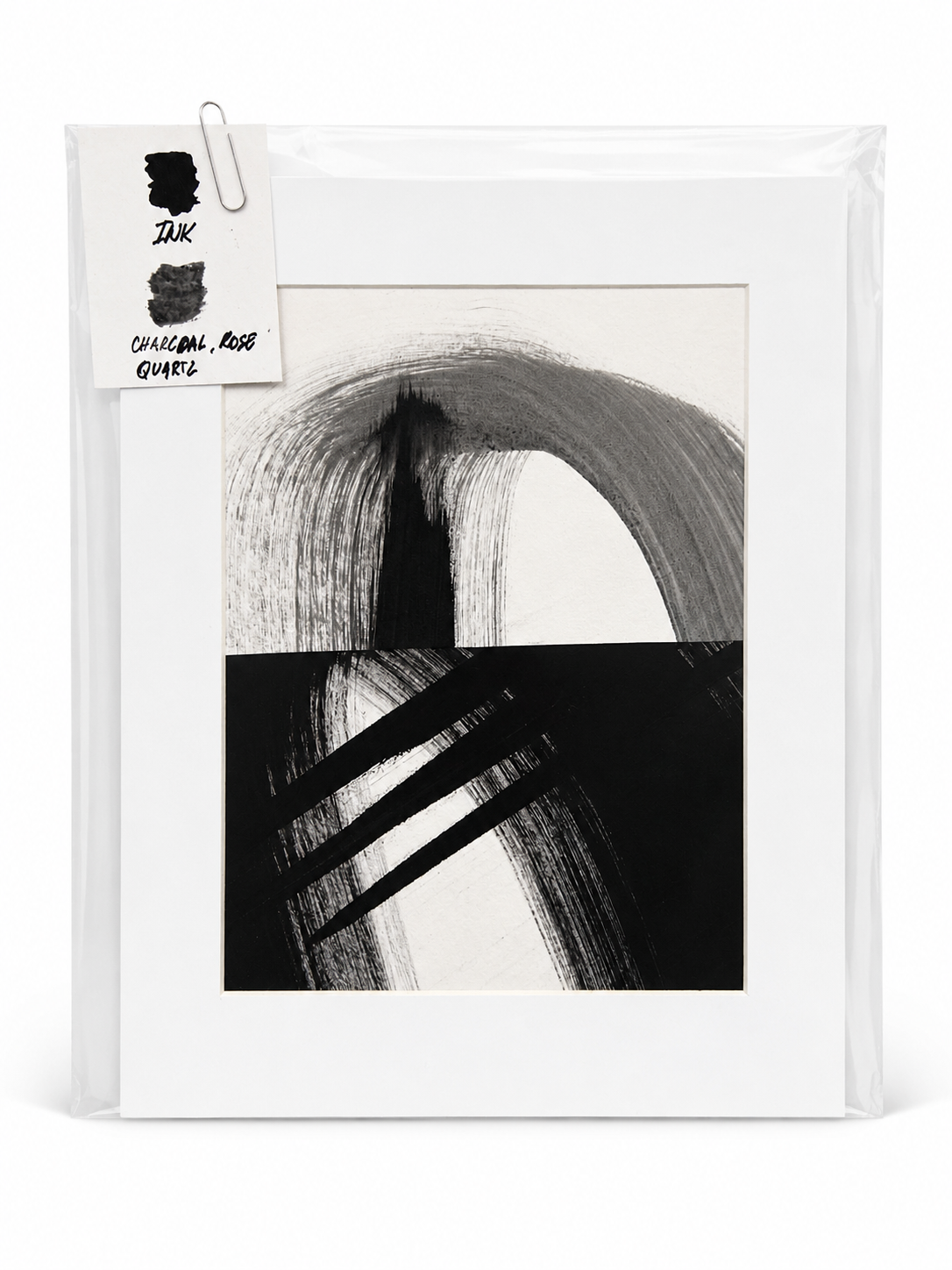
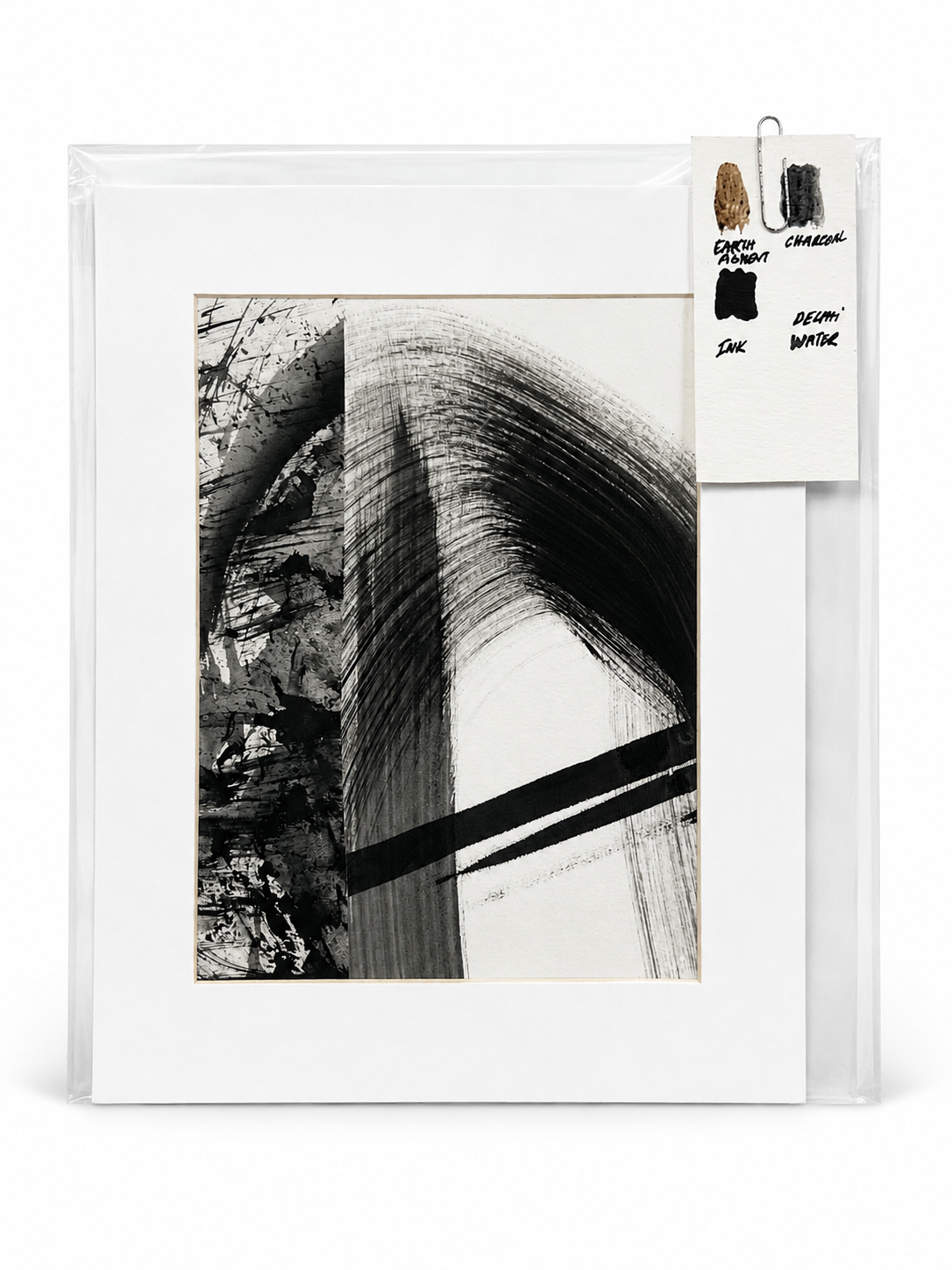
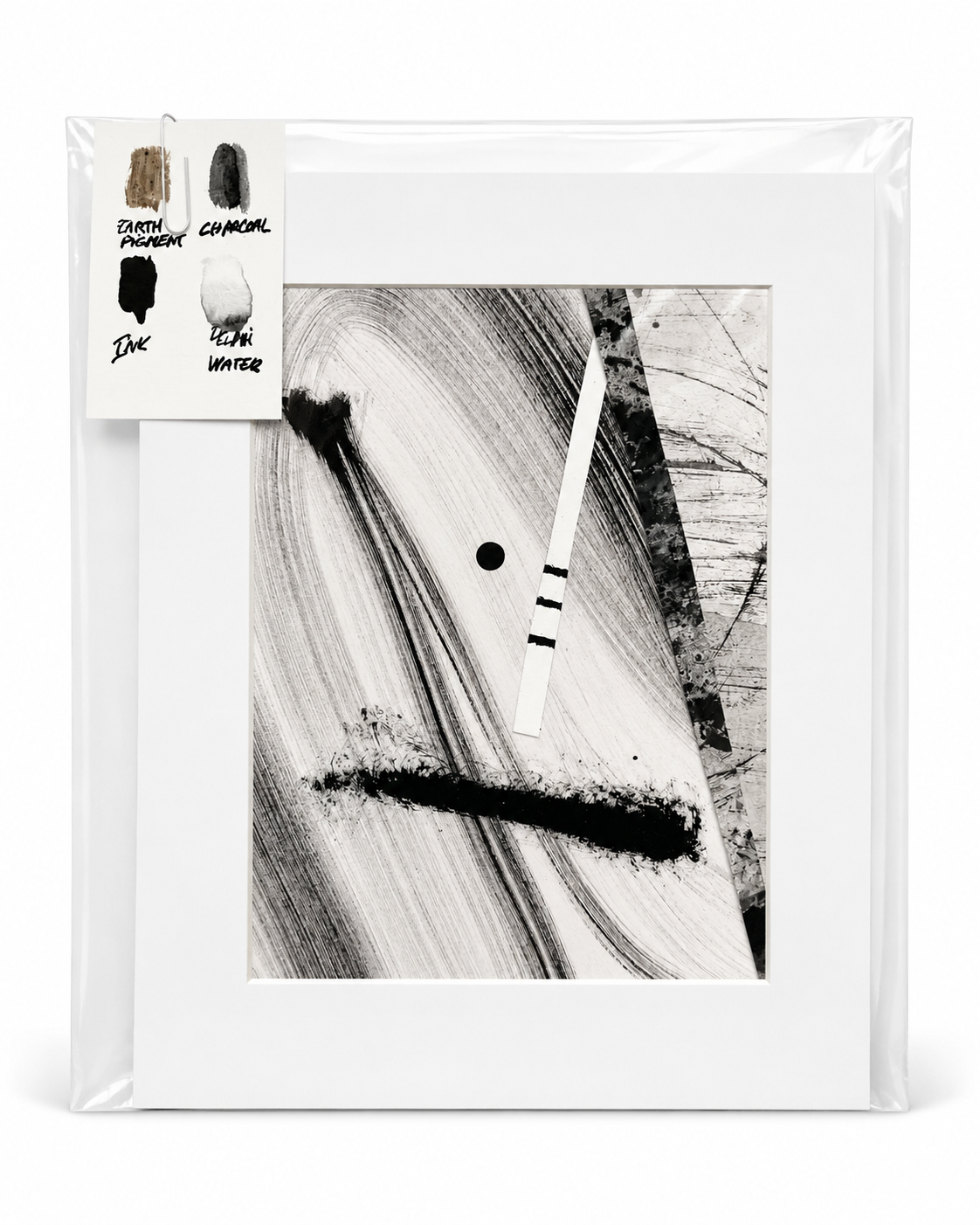
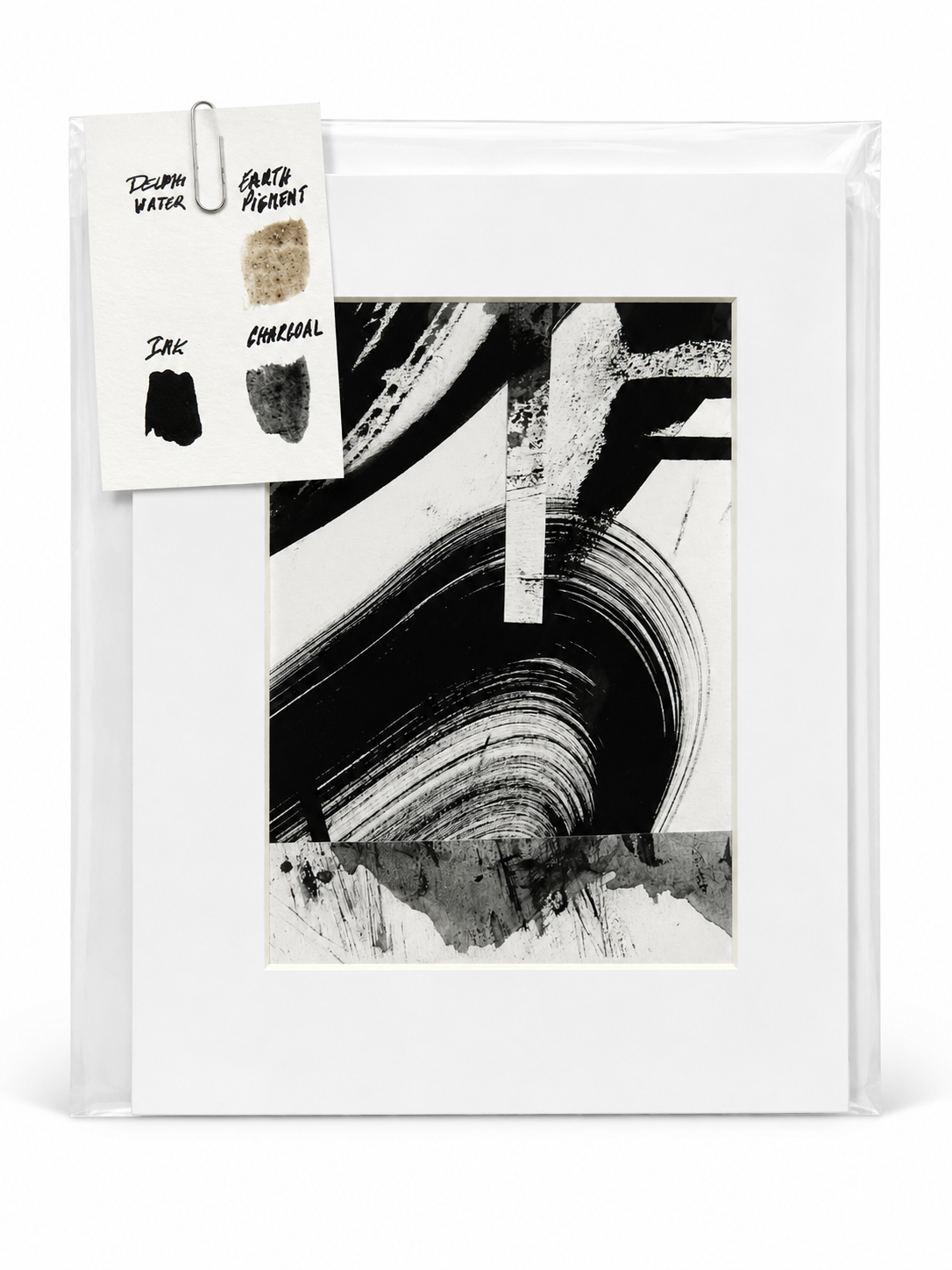
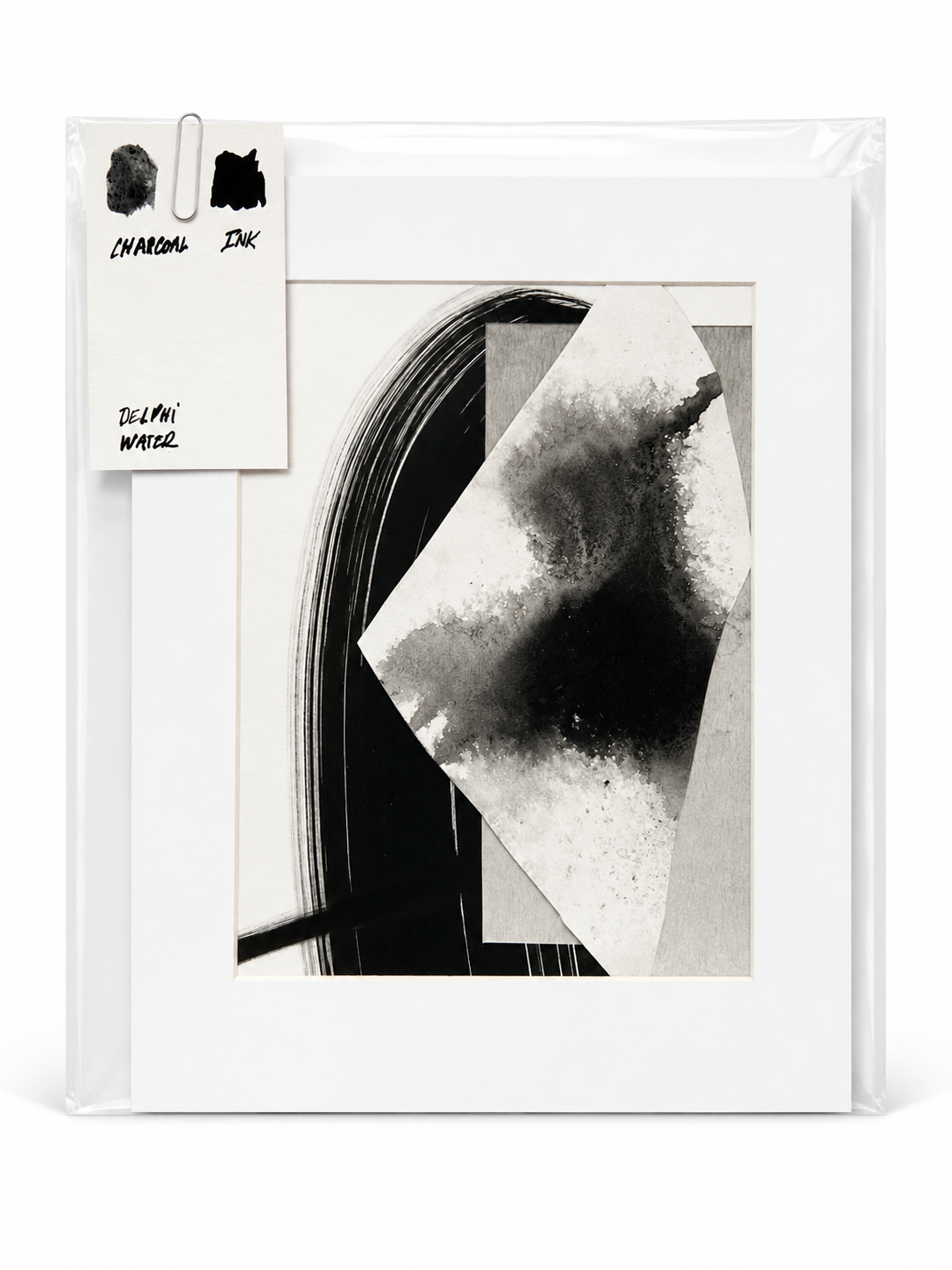
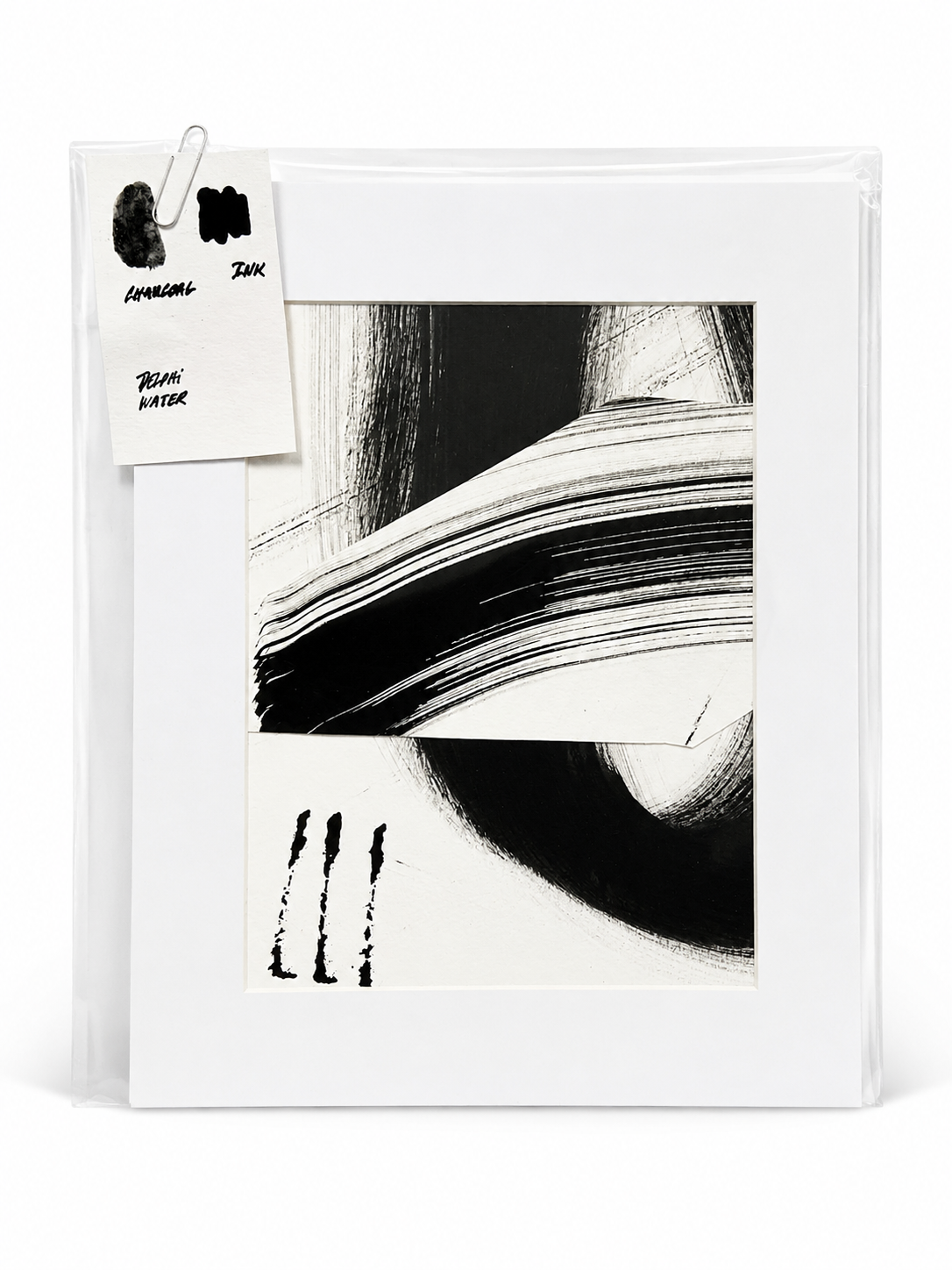
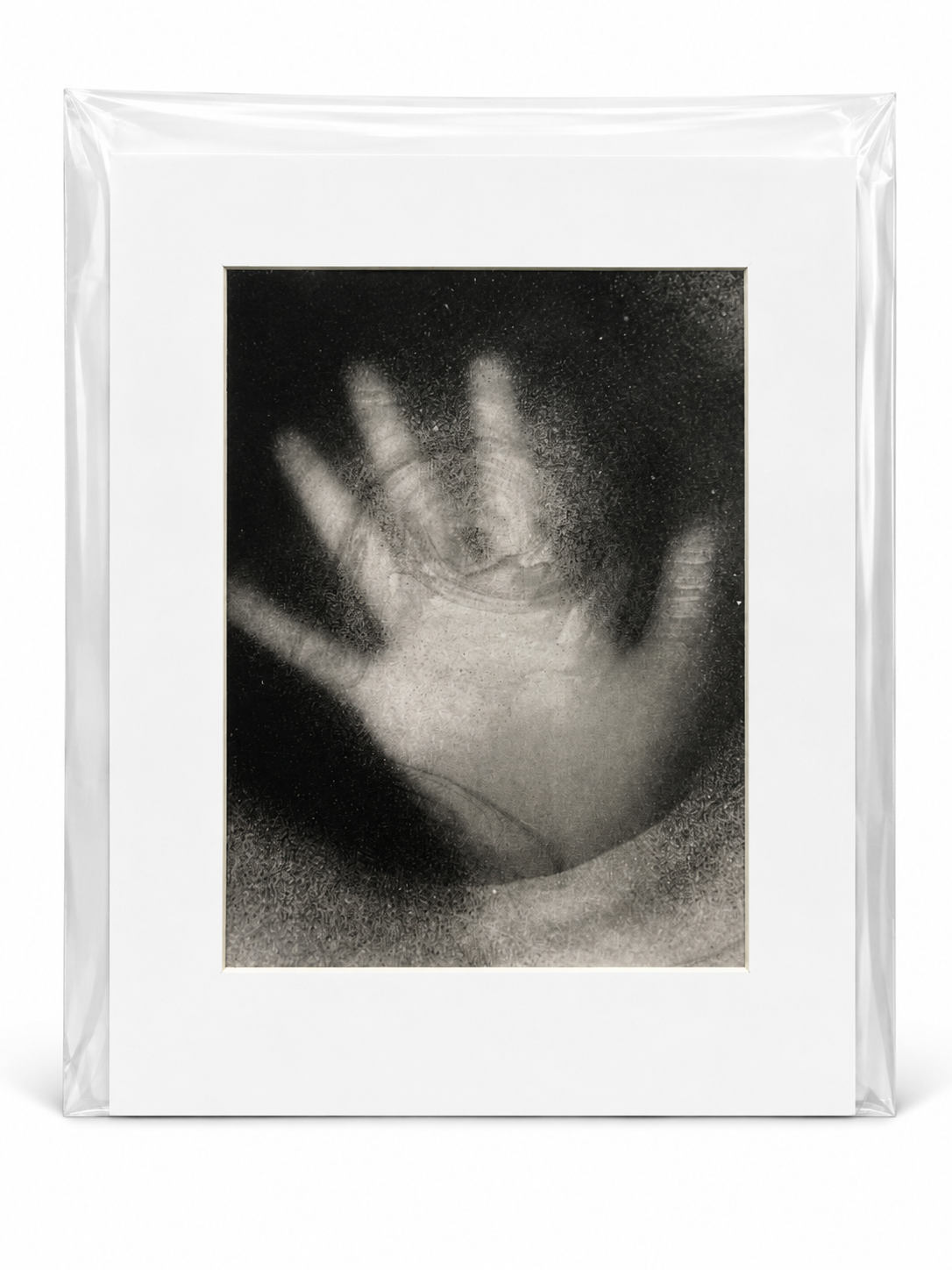
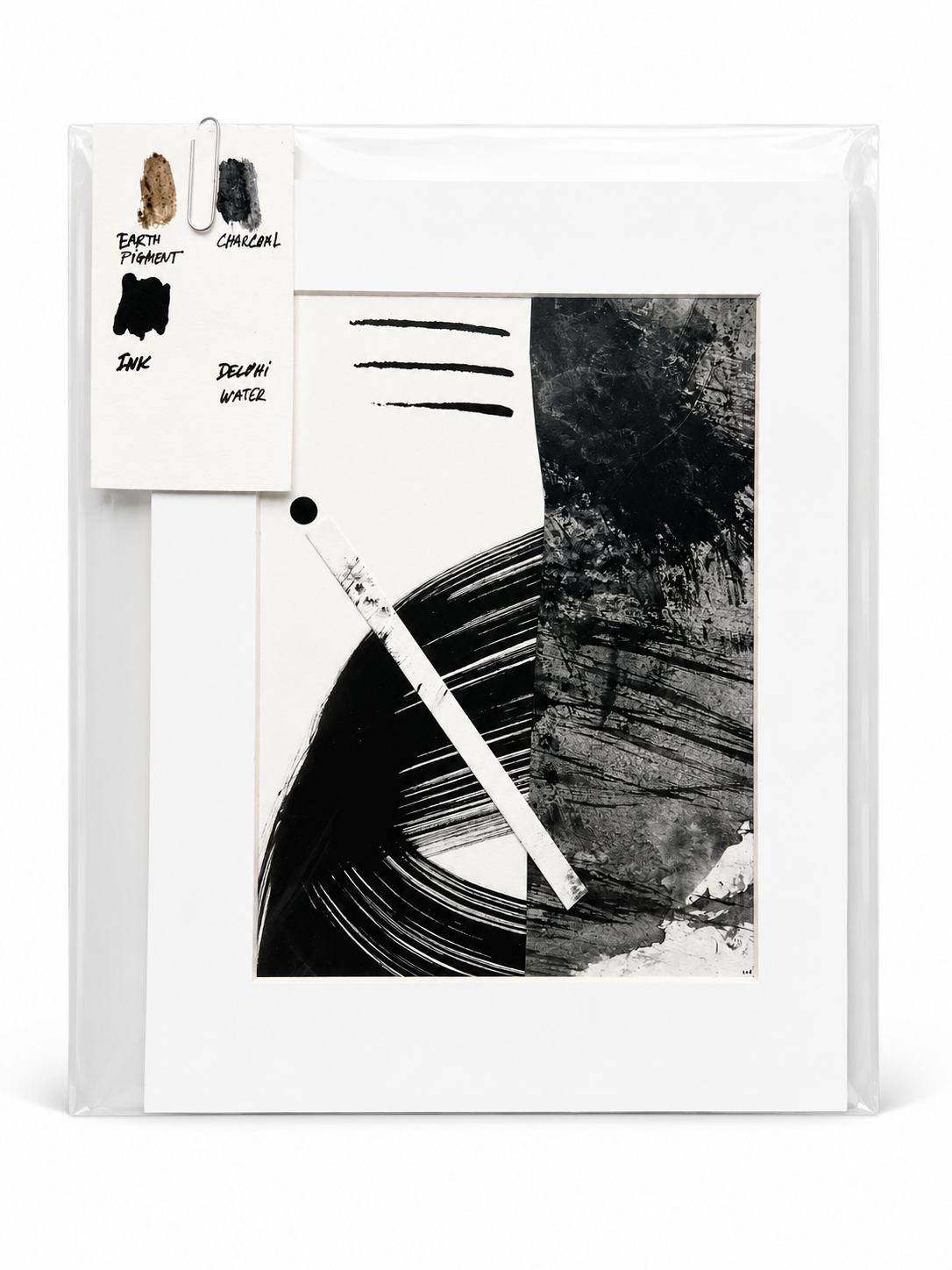
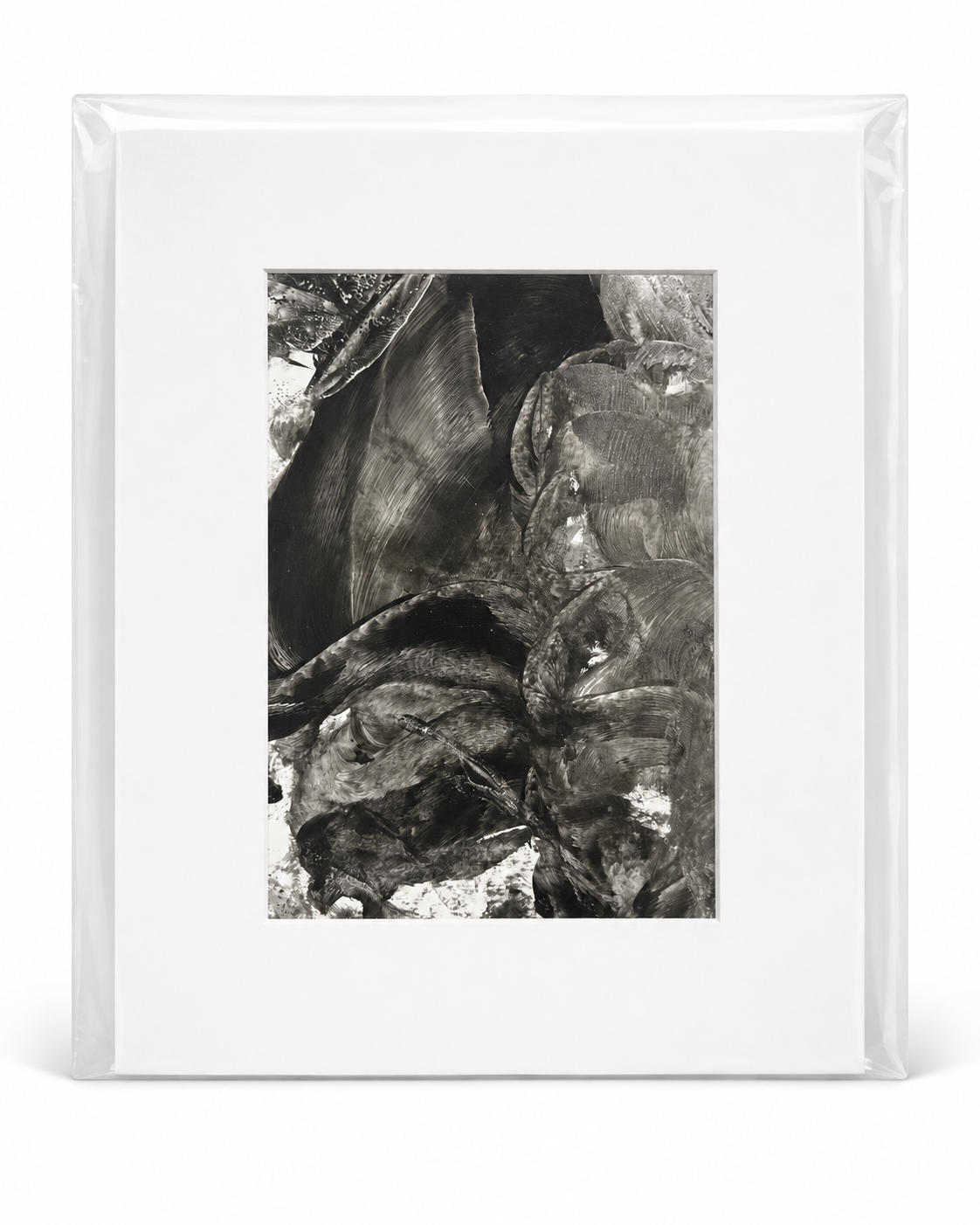
The experience unfolds through layers of reception. A series of monochromatic works, created through layered organic textures and natural pigments made from plants, minerals, soil, crystals and meteorites, explores how material can hold atmosphere, sensation and trace. Built slowly, layer by layer, each piece reveals subtle shifts in tone, depth and presence.
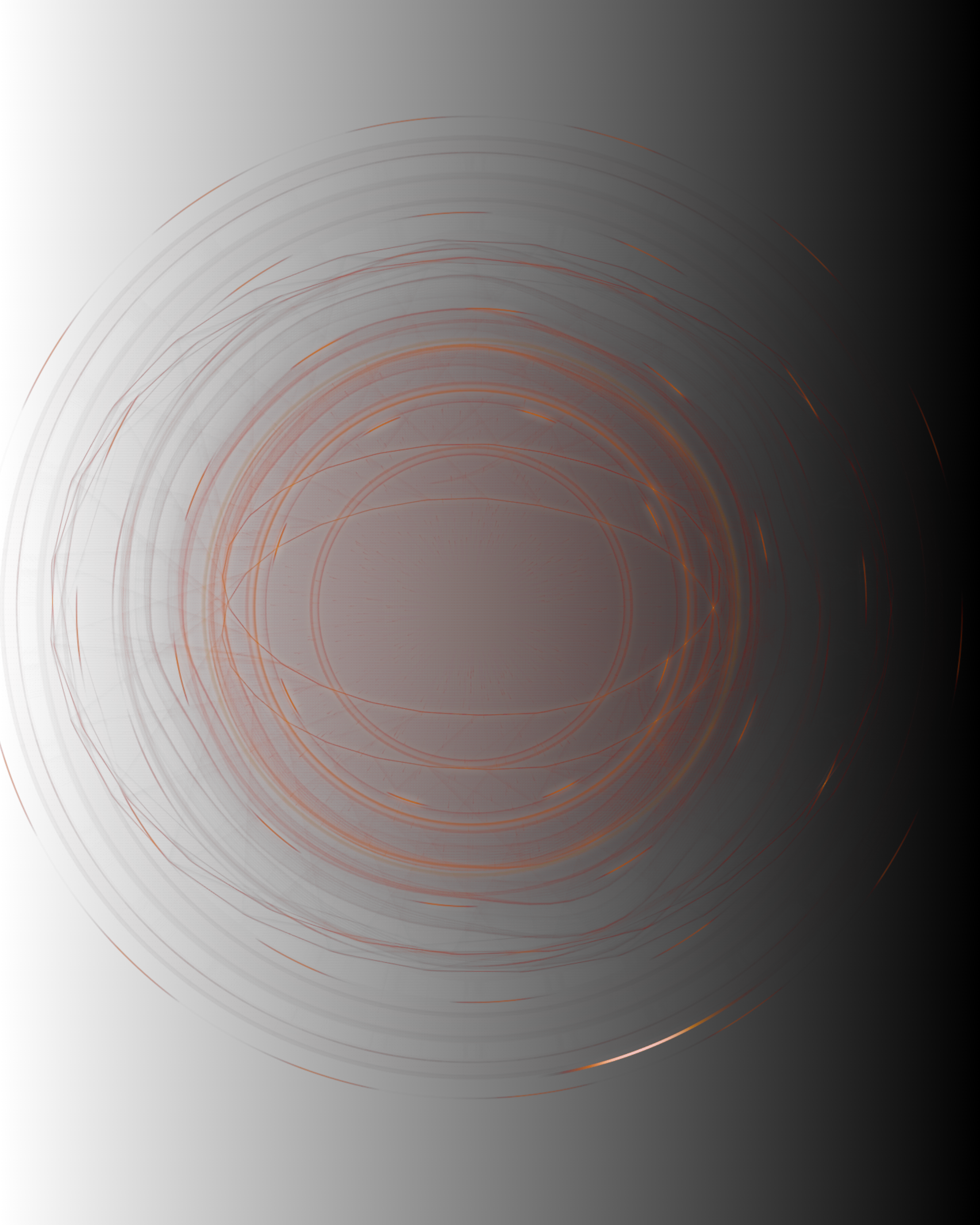
Alongside these works, digital experiments capture the viewer’s pulse in real time, translating biological rhythm into moving visual waves through remote photoplethysmography (rPPG). This dialogue between the still and the live extends into the firefly forest, where a remembered encounter with bioluminescence becomes a shared field of movement, flicker and afterimage. The work surrounds the viewer with shifting traces that feel both organic and digital.
Rather than asking visitors to decode everything intellectually, Light Codes invites a slower form of attention: looking quietly, noticing breath, pulse, atmosphere and emotional charge. The exhibition becomes a space where body, nature, memory and digital feedback meet.
This meeting feels especially resonant at House of Annetta, the former home of Annetta Pedretti and a site associated with cybernetic research, feedback and living systems. In this context, Light Codes adds a new layer to the building’s history of relation, response and exchange.
On colour & access
Light Codes is a largely monochrome exhibition. It does not depend on colour alone to carry meaning; instead it works through contrast, pulse, rhythm, movement, and atmosphere. Even where points of light appear within darkness, the work is intended to be read through intensity and presence as much as colour.
On materials
The paintings are built from natural pigments — plants, minerals, soil, crystals, and meteorites — layered slowly to hold light, depth, and atmosphere. The digital works continue this inquiry through code, projection, and responsive interfaces, where programmed systems turn light, touch, and sensation into image and feedback.
Artist
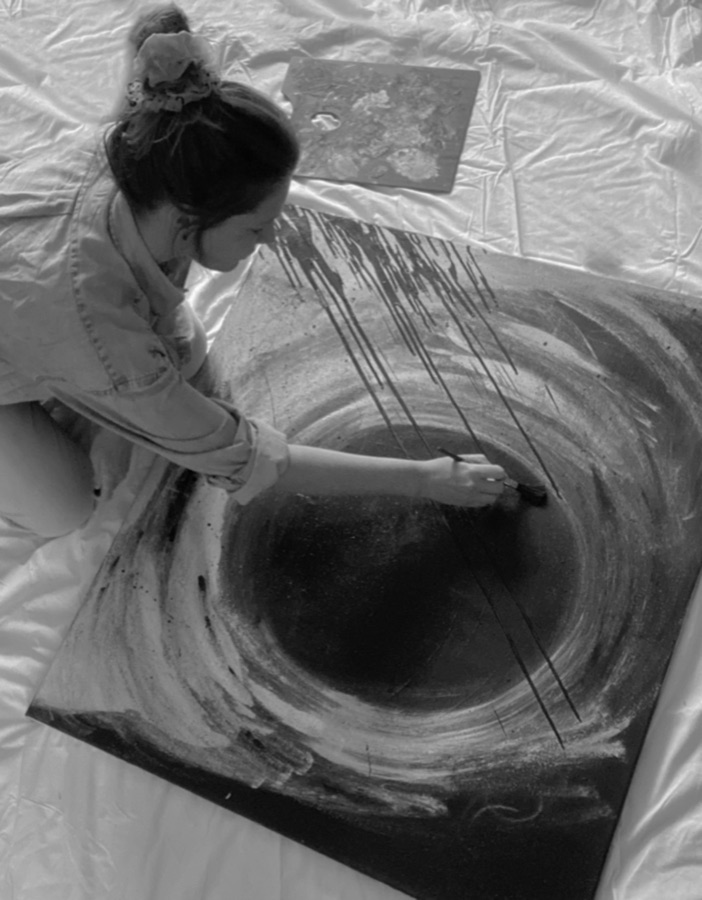
Florence Dassonville is a self-taught multidisciplinary artist working with raw materials, natural pigments, and intuitive processes. Born into a lineage of artists, creation has been a constant current throughout her life. Based in London, her path through auction houses, museums, and now the Royal Academy of Arts continues to shape her visual language, placing her in dialogue with both historical and emerging practices. Her work is deeply embodied. Using self-made natural binders and pigments, she enters heightened intuitive states to translate the unseen into form, bringing fragments of the unconscious into tangible presence. Each piece acts as a conduit: raw, energetic, and intentionally unrefined. “People often say, ‘oh I could do that, just scribbles’ and honestly, if it makes you feel something, please do it. My work isn’t about technique, it’s about transmission. It’s about what moves through you, what resonates, what shifts.”
Artist
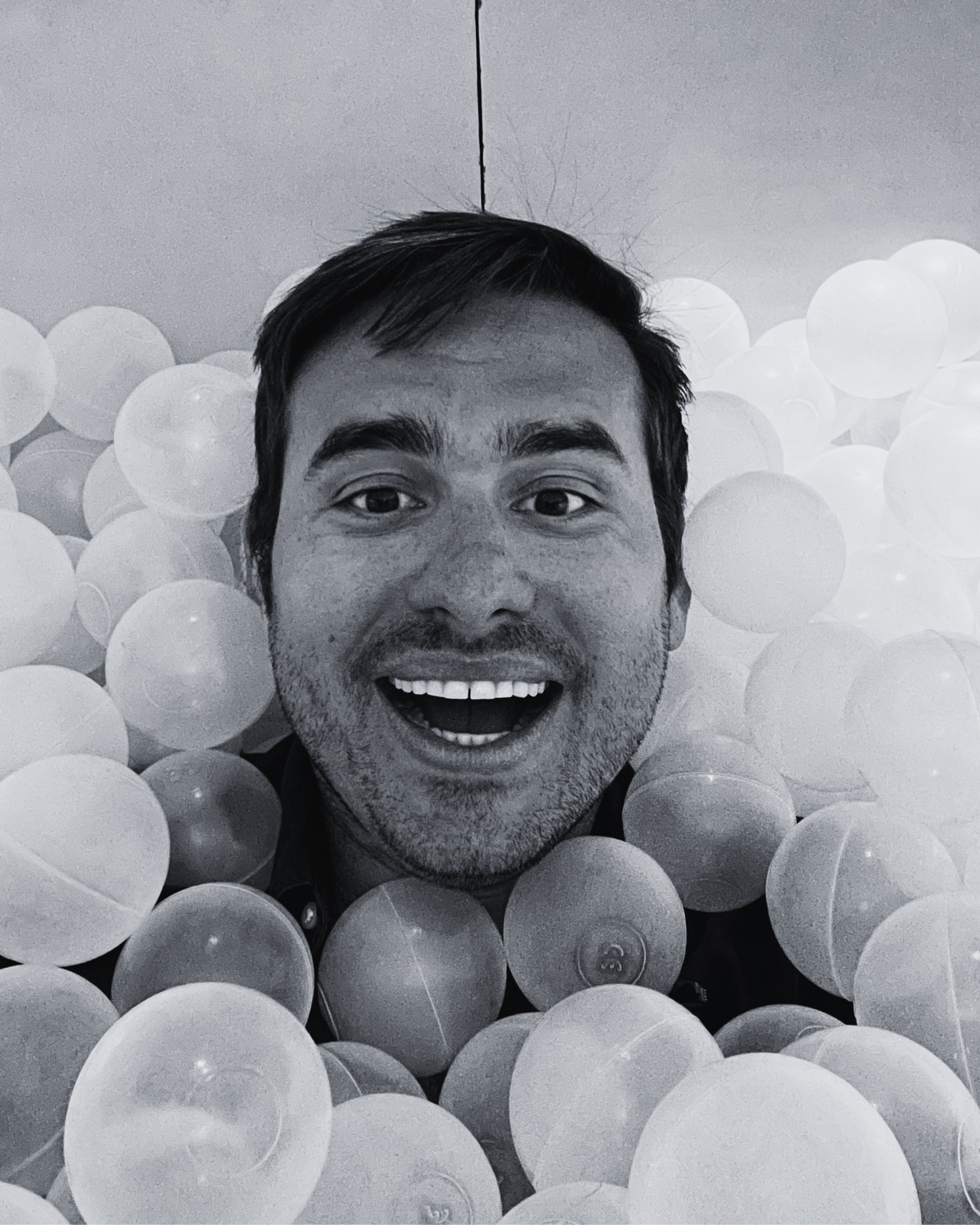
Steven Irby is a London-based developer and experimental digital creator whose work moves between technology, memory, animals, nostalgia, and shared digital experience. His projects often transform simple digital interactions into small worlds people can enter together, where coded systems become spaces for feeling, attention, and play. Working across responsive interfaces, moving image, and immersive digital environments, he is drawn to the emotional life of technology and the ways systems can register presence, hold memory, and create moments of quiet connection. His works often begin with observation, whether of behaviour, light, movement, or interaction, and unfold into experiences that feel both intimate and collective. For Light Codes, Steven contributes works that explore how digital systems can hold feeling, from live pulse-responsive visuals to an immersive firefly forest shaped by remembered light.
The exhibition has closed. The signal continues.
Light Codes began as a three-day encounter between pigment, pulse and digital light at House of Annetta, Spitalfields. We’re continuing to explore future exhibitions, collaborations and experiments.
Leave an email address and we’ll write occasionally about future Light Codes exhibitions, collaborations and experiments. Nothing else, and you can unsubscribe from any message.
For availability, pricing, viewing or anything else about a particular piece, send a note and we’ll reply by email.
Pigment, pulse and phōs
16–18 July 2026 House of Annetta Spitalfields, London